
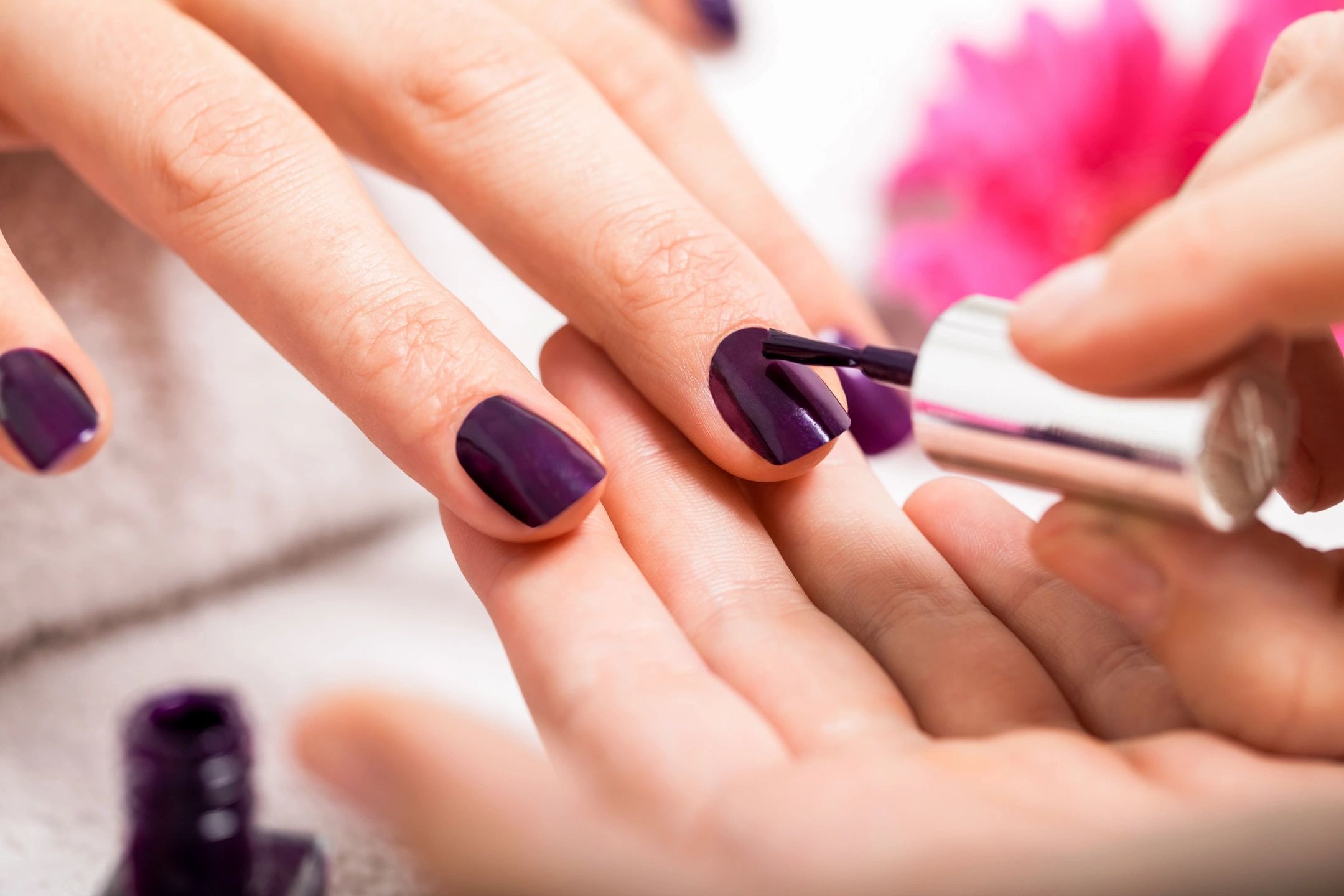
The Advantages of Gel Nails for People with Hypermobility Syndrome: Proprioception, Function and Everyday Support
For many people living with Hypermobility Spectrum Disorder or Hypermobile Ehlers-Danlos Syndrome, everyday tasks can sometimes require more effort than they appear to on the surface. Hypermobility affects connective tissue throughout the body, which can influence joint stability, muscle fatigue, sensory processing, and even how we perceive our own movement.
In recent years, there has been growing awareness of the overlap between hypermobility and neurodivergence, including Autism Spectrum Disorder and Attention-Deficit/Hyperactivity Disorder. Within this context, even small adaptations — including something as simple as gel nails — can offer meaningful functional and sensory benefits.
This is not about aesthetics as a standard of beauty. It is about supporting the body, improving function, and creating sensory and proprioceptive feedback that helps the nervous system feel more anchored in space.
Understanding Proprioception and Hypermobility
Proprioception is our body’s ability to sense where it is in space. It tells us:
Where our joints are positioned
How much force we are using
How we are moving through the environment
In hypermobility, proprioception is often less reliable. Because connective tissue is more elastic, joints may move beyond typical ranges, and the sensory feedback from muscles and joints can be less clear or delayed.
This can lead to:
Clumsiness or frequent dropping of objects
Difficulty judging grip strength
Joint overextension without noticing
Fatigue from “over-correcting” movement
A general feeling of disconnection from the body
For neurodivergent individuals, especially those with autism or ADHD, proprioceptive differences may already be part of their sensory profile. When combined with hypermobility, this can create an even greater need for external sensory anchors.
How Gel Nails Can Support Proprioceptive Awareness
Gel nails may seem like a purely cosmetic choice, but for some people with hypermobility they can function as a subtle proprioceptive tool.
Because gel nails are slightly thicker and more structured than natural nails, they can provide:
1. Increased sensory feedback
The added structure of gel nails can give clearer tactile feedback when touching objects. This can help improve awareness of grip and contact, particularly for tasks like:
Holding pens or pencils
Using phones or tablets
Picking up small objects
Typing or using keyboards
2. Improved grip awareness
Some individuals report feeling more “aware” of their fingertips when wearing gel nails. This can help reduce accidental over-gripping or under-gripping, both of which are common in hypermobility due to altered proprioception.
3. Reduced fingertip discomfort
For those whose joints are sensitive or easily overloaded, gel nails can act as a light protective layer over the fingertips, reducing discomfort during repetitive tasks.
4. Functional anchoring for the nervous system
From a neuro-affirming perspective, sensory tools that help the nervous system feel more organised in space can reduce cognitive load. Small, consistent sensory input — such as the feeling of structured nails — may help the brain maintain a clearer sense of body position during daily activities.
Hypermobility, Fine Motor Skills and Fatigue
Many people with hypermobility experience fatigue in the hands and fingers, especially when writing, typing, or doing repetitive fine motor tasks.
This is often due to:
Joint instability in the small joints of the hands
Overuse of compensatory muscle tension
Reduced proprioceptive efficiency
Increased effort required to stabilise movement
Gel nails can sometimes support fine motor function by offering:
Slight mechanical resistance that helps guide movement
Improved tactile awareness of surfaces
Reduced micro-adjustments needed during tasks
While not a replacement for occupational therapy or clinical support, they can be a low-effort, accessible self-support strategy.
A Neuro-Affirming Lens: Supporting, Not Correcting
From a neurodiversity-affirming perspective, including the approach used by Little Kneaders, the goal is not to “fix” sensory differences or hypermobility traits.
Instead, it is about recognising that:
Different nervous systems experience the world differently
Sensory needs are valid forms of communication
Support can come in small, everyday adaptations
Function and comfort matter more than conformity
For many autistic and ADHD individuals with hypermobility, sensory regulation is not optional — it is foundational. Tools like gel nails can sit alongside other supports such as weighted items, fidget tools, compression garments, or environmental adjustments.
Practical Considerations
While gel nails can be supportive for some people, they are not suitable for everyone. A few considerations include:
Nail sensitivity or allergies to products
Difficulty maintaining appointments if energy is limited
Risk of nail damage if removal is not done carefully
Individual sensory preferences (some may find them overwhelming)
As with all supports, the key is individual experience rather than a one-size-fits-all approach.
Final Thoughts
For some people living with hypermobility, small sensory supports can make a meaningful difference in daily life. Gel nails may offer more than aesthetic value — they can provide proprioceptive feedback, improve functional awareness, and support the nervous system in feeling more grounded during everyday tasks.
In a neuro-affirming framework, this is not about changing the body to fit the world, but about finding ways the world can better fit the body.
Sometimes support looks like therapy or clinical intervention. And sometimes it looks like something as simple as how your fingertips meet the world.
