
Carefully Considered Collaborations: Little Kneaders X Sport Ireland
At Little Kneaders, every collaboration begins with a question:
Will this genuinely support the young people and families we work with?
If the answer is yes, we explore it further.
If the answer is no, we politely decline.
This philosophy sits at the heart of our Carefully Considered Collaborations Series — partnerships that are intentionally designed to support the wellbeing, regulation and lived experiences of neurodivergent young people.
Today, I am delighted to share the beginning of a very special collaboration between Little Kneaders and Sport Ireland.
Over the next six weeks, we will be supporting a small group of neurodivergent teenage girls through gentle, accessible movement experiences designed to nurture confidence, connection and wellbeing.
Our first session has already begun, and we couldn’t have imagined a more fitting start.
Beginning with Gentle Yoga
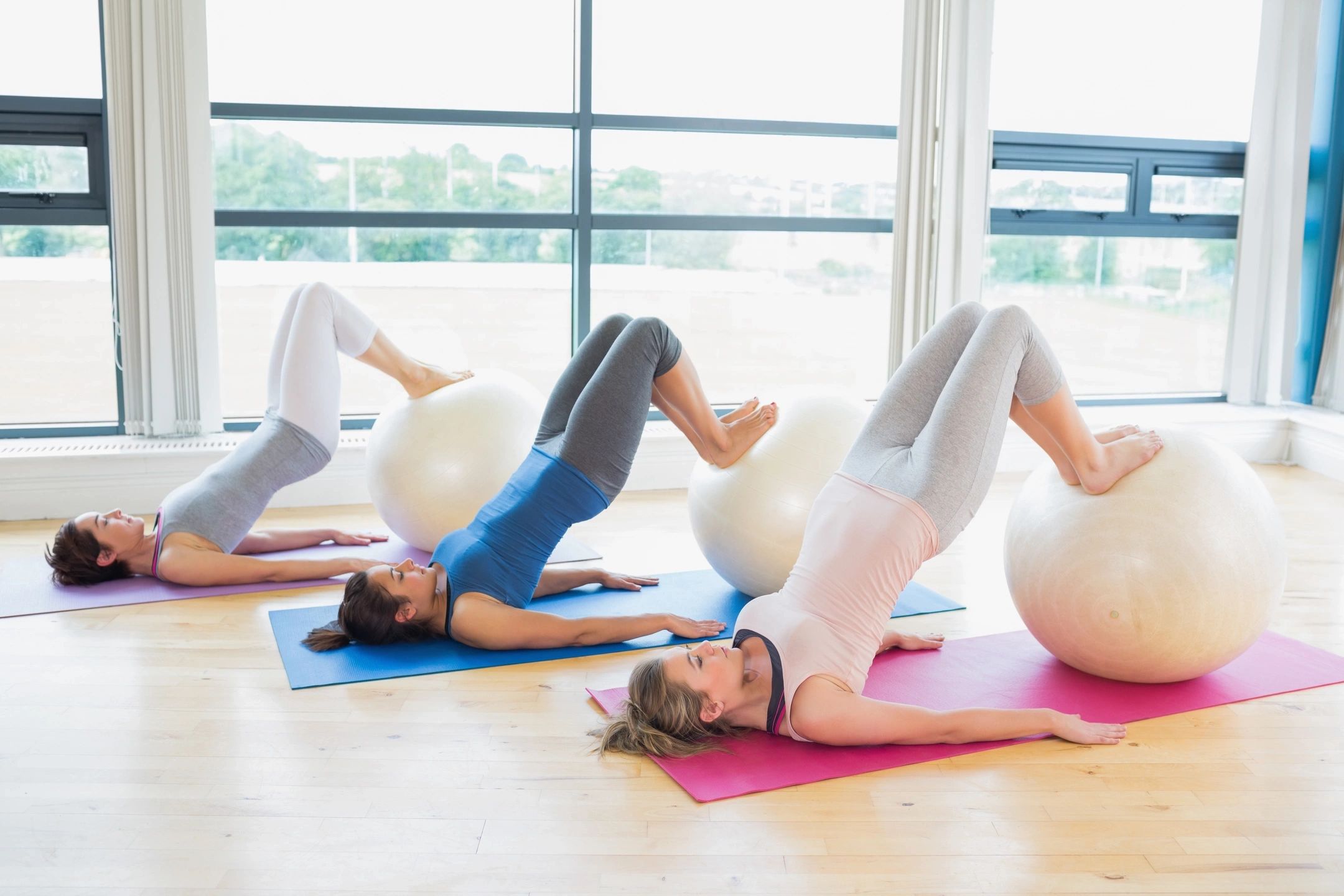
Our first class was a beautiful gentle yoga session facilitated by Adrienne McGrath, whose passion for restoring peace, connection and healing through movement was evident from the moment she entered the room.
Adrienne created a calm, welcoming environment where the girls could engage at their own pace, free from pressure or expectations.
There was no focus on performance.
No competition.
No requirement to “keep up.”
Instead, the emphasis was on listening to the body, exploring movement gently, and experiencing the benefits of being present in a supportive space.
For many of the girls attending, this was exactly what was needed.
Why This Collaboration Matters
This collaboration was deeply intentional.
Many of the neurodivergent teenage girls I work with have complicated relationships with movement and exercise.
Not because they do not want to move.
Not because they are unwilling.
But because traditional sports and physical education environments often fail to accommodate their needs.
Many of my clients experience challenges such as:
Postural Orthostatic Tachycardia Syndrome and autonomic nervous system dysregulation
Hypermobility and chronic pain
Dyspraxia and motor coordination differences
Burnout recovery and depleted energy levels
Sensory sensitivities
Strong rejection sensitivity profiles
Anxiety and reduced confidence in group settings
For some young people, PE lessons can become associated with feelings of failure, exclusion, overwhelm or embarrassment.
Repeated experiences of struggling to keep up with peers can gradually erode confidence and create understandable avoidance of movement altogether.
Yet movement remains one of the most powerful tools we have for supporting mental wellbeing.
The challenge is not convincing young people to move.
The challenge is creating environments where movement feels safe, accessible and enjoyable.
Movement as Part of Holistic Mental Health Support
At Little Kneaders, we view wellbeing through a holistic lens.
Mental health does not exist separately from the body.
The nervous system, sensory system, movement, sleep, hormones, nutrition, social connection and emotional wellbeing are all interconnected.
Every young person participating in this programme is either experiencing mental health challenges or actively recovering from them.
Many are rebuilding after periods of significant stress, anxiety, burnout, school avoidance or nervous system dysregulation.
For these young people, movement is not about fitness goals.
It is not about performance.
It is not about pushing through discomfort.
Instead, movement becomes an opportunity to:
Support nervous system regulation
Improve mood and emotional wellbeing
Build body awareness and proprioception
Increase confidence
Encourage gentle strength and resilience
Reduce stress and overwhelm
Reconnect with the body in a compassionate way
Small, consistent experiences of success can often be far more transformative than intensive interventions.
Creating Space for Friendship and Belonging
One of the most important aspects of this programme is something that cannot be measured on a fitness tracker.
Connection.
The classes are intentionally small, with a maximum of six participants.
This allows us to create an environment that feels safe, predictable and supportive.
Many neurodivergent teenagers tell us that making and maintaining friendships can feel challenging, particularly after periods of school avoidance, burnout or social isolation.
Within a smaller group, there is more opportunity for authentic connection to develop naturally.
There is no pressure to socialise.
No expectation to perform socially.
Just the opportunity to spend time alongside other young people who often share similar experiences and understand one another in ways that can be difficult to find elsewhere.
Sometimes healing happens through movement.
Sometimes healing happens through being understood.
Often, it is both.
A Neuro-Affirming Approach to Movement
This programme has been designed through a neurodiversity-affirming lens.
We recognise that neurodivergent bodies and minds are not broken versions of neurotypical ones.
They simply have different needs.
That means:
Choice is prioritised.
Participation is flexible.
Rest is respected.
Sensory needs are accommodated.
Individual pacing is encouraged.
Success is defined differently for every participant.
For some girls, success may look like participating in the full class.
For others, it may mean simply arriving, observing, or trying one new movement.
Every step matters.
Every experience counts.
Looking Ahead
This first yoga session marks the beginning of what we hope will be a meaningful journey for the young people participating.
We are incredibly grateful to Sport Ireland for supporting this initiative and to Adrienne McGrath for bringing such warmth, expertise and compassion to our opening session.
As the programme progresses, we look forward to witnessing the confidence, connection and self-belief that can emerge when young people are given the opportunity to engage with movement in a way that truly honours their individual needs.
Because when movement feels safe, supported and accessible, it becomes so much more than exercise.
It becomes a pathway back to connection, with the body, with others, and with ourselves.
